888-750-9925 pop-up having been reported to bother lots of computer users recently should net be trusted. This ad-supported program aiming at distributing commercial and generating revenue can appear on users’ browsers without any notification. 888-750-9925 phishing scam could be too much for some of its sufferers. When you have something bad suited by this fake warning installed on your computer, you might get pestered.
Get to know 888-750-9925 pop-up
It could be very disturbing that
888-750-9925 pop-up shows itself in your browser frequently. While you are typing to search or trying to navigate (on Edge, FF, Chrome or Safari), a pop-up Ad may freeze your webpage. It tells that your computer is infected or there are security errors in your system. 888-750-9925 is the number for you to call for a technician. Never be taken in by this hoax.
Although 888-750-9925 alert seems not as risky as a ransom virus that encrypts your files or a trojan horse that might steal your sensitive information, it still has several negative effects on your computer. After this self-invited guest, there could be more and more unwanted programs appearing and usurping your control over the computer real harm will befall the operating system. Pop-up removal should be getting done timely and if you need help, you could try to follow the tutorials below.
Plan A: Remove 888-750-9925 pop-up Manually from Win/Mac OS
Plan A: Remove 888-750-9925 pop-up Manually
Step 1. End malicious processes generated by this non-sense
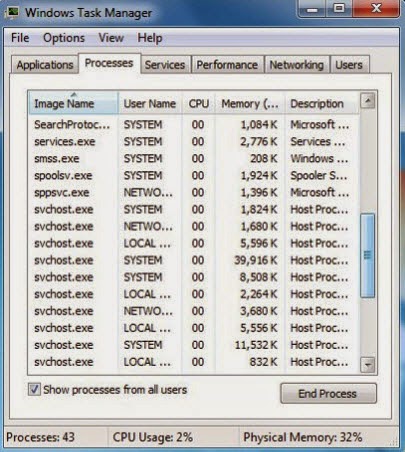
On Windows Computer: Press key combination (Ctrl+Alt+Del) to launch Task Manager
On Mac OS:
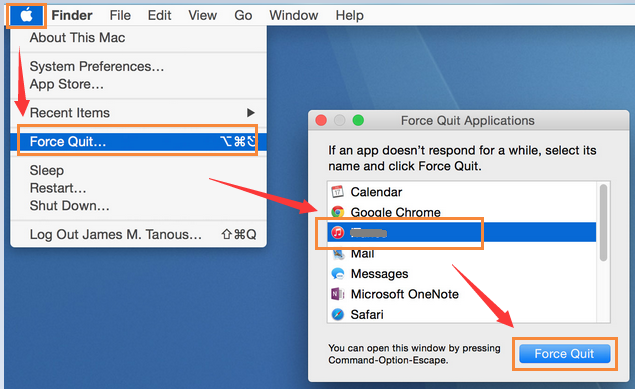
Choose Force Quit from the Apple menu, or press key combination (Command + Option + Esc) to open the Force Quit Applications window to do this.
Step 2. Uninstall webpage scam related or unwanted application that bundled with this Ad
On Windows Computer:
Win 7:
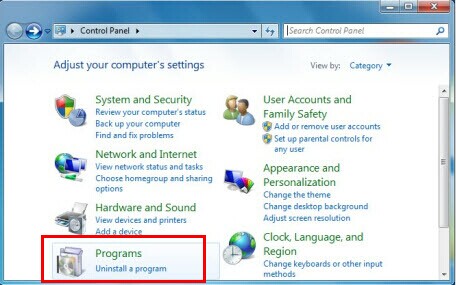
Go to the “Start” menu, select “Control Panel”. Locate “Programs”. If there is anything related to tech scam related program on the list of your Programs, then select it and uninstall it.
Win 8:
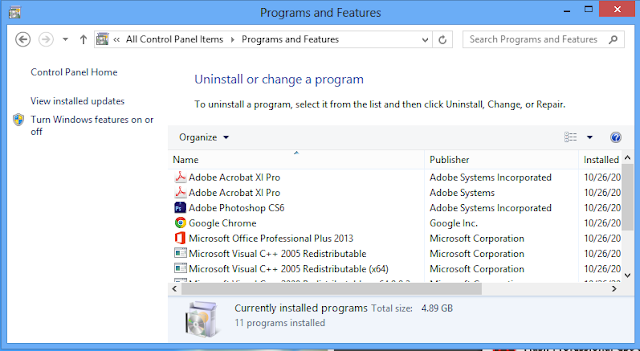
Right-click in the screen’s bottom-left corner and choose the Control Panel, and then choose Uninstall or change a Program from the Programs category. Uninstall fake ad related program if you can find any.
 Win 10:
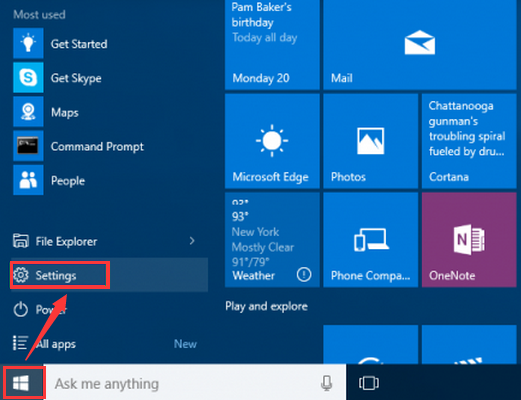
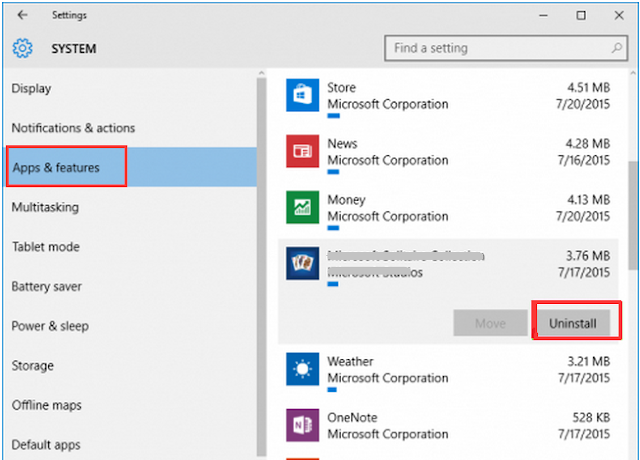
Go to the “Start” menu, select “Settings” and then “System”;
Click on “Apps & features”, if there is tech scam related item, select and uninstall it.
On Mac:
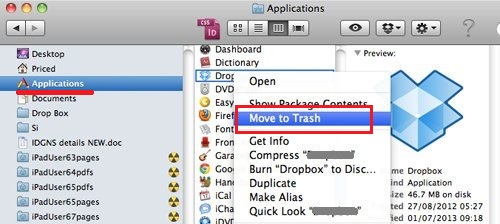
Open the Applications folder in the Finder (or go to the Menu Bar, open the “Go” menu, and select Applications in the list), search for Suspicious application, and then drag it to the Trash (in the dock)
Step 3. Reset your affected browsers one by one
Google Chrome:
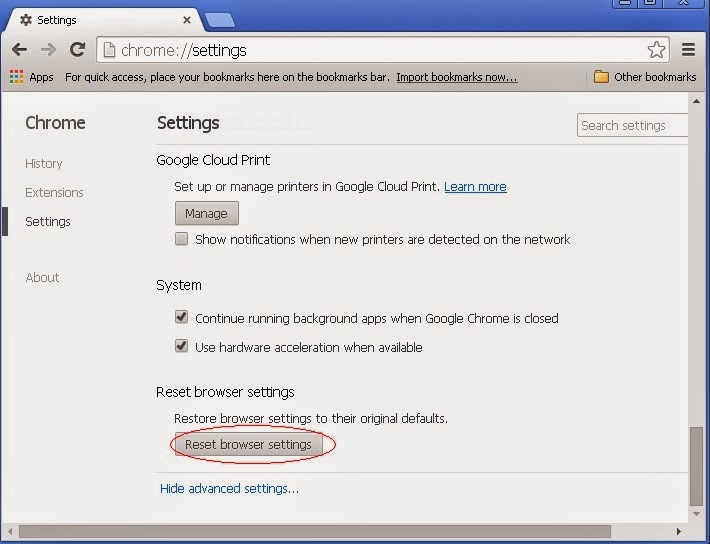
Click the Chrome menu on the browser toolbar and select Settings:
a) Scroll down to the bottom of chrome://settings/ page and click Show advanced settings
b) Scroll down to the bottom once again and click Reset Settings
Internet Explorer:
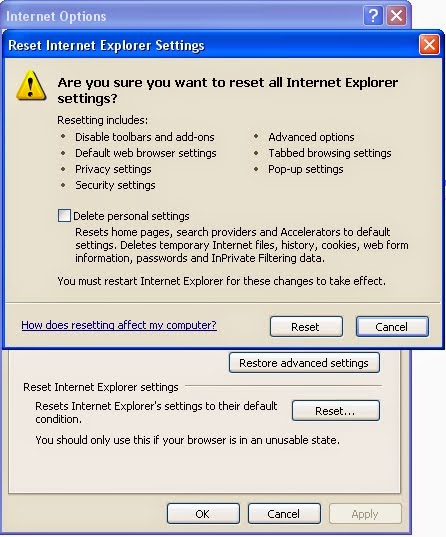
a) Click Start, click Run, in the opened window type "inetcpl.cpl".
b) Click "Advanced" tab, then click Reset.
Mozilla FireFox:
Open Firefox->> choose Help ->>choose Troubleshooting information
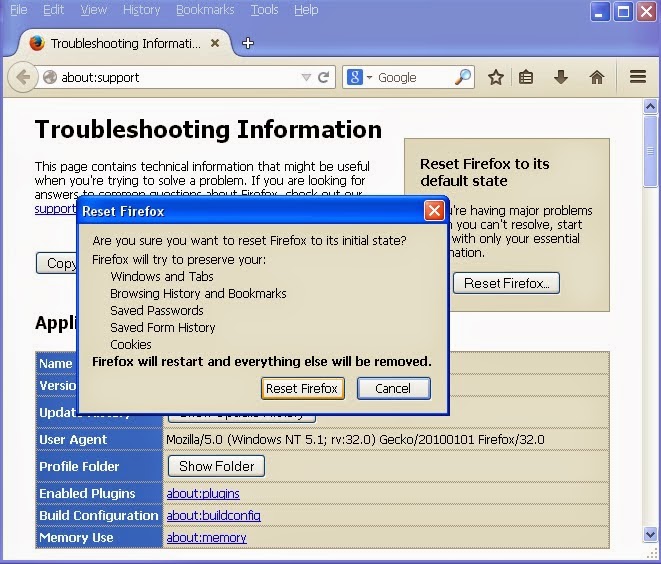
a) Click on Reset Firefox. Choose Reset Firefox again to make sure that you want to reset the browser to its initial state.
b) Click Finish button when you get the Import Complete window.
Safari
a) Open your Safari browser from the dock.
b) Click on Safari in your Safari menu at the top of your screen.
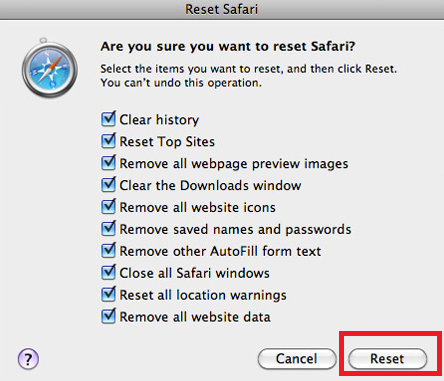
c) A drop-down menu will now appear. Choose the option labeled “Reset Safari…”
Step 4. Locate junk files and then delete them
On PC: find and delete associated files from C Drive
%ProgramData%\
%CommonProgramFiles%\*.exe
%windir%\SeviceProfiles\LocalService\AppData\Local\Temp\random.tlb
On Mac: a) Access hidden Library folder by hold down the Option key while looking at the Go menu in Finder.
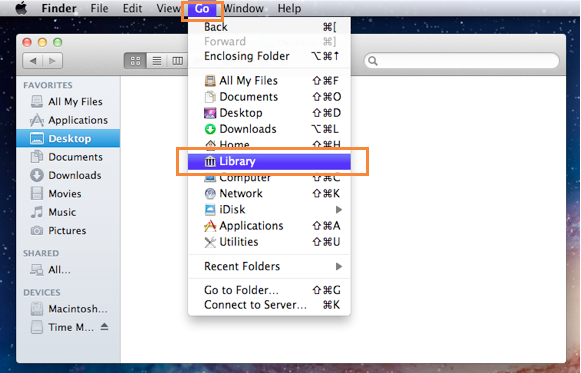
b) Delete related files. You need to check numerous system folders for obscure files such as:
/System/Library/Frameworks/v.framework
/System/Library/Frameworks/VSearch.framework
/Library/PrivilegedHelperTools/Jack
/Library/InputManagers/CTLoader/
~/Library/Internet Plug-Ins/TroviNPAPIPlugin.plugin
/Applications/SearchProtect.app
/Applications/InstallMac
(
Warning: Care must be given when try this way. Don't empty your Trash until you've determined that everything is working OK, in case you need to restore something you deleted by accident. If you are not skillful enough to finish the above manual removal processes on your own, you could use a recommended malware security suite to help you out with efficiency.)
Plan B: Remove 888-750-9925 pop-up Automatically from Your Windows Computer
SpyHunter from Enigma Software Group LLC having been certified by West Coast Labs’ Checkmark Certification System could be a wise choice:
- Easily detect, remove, and protect your PC from the latest malware attacks.
- Give daily-updated malware detection and removal definitions.
- Offer technical support and custom fixes for hard-to-kill threats.
|
Step 1. Click the following icon to download malware removal tool SpyHunter
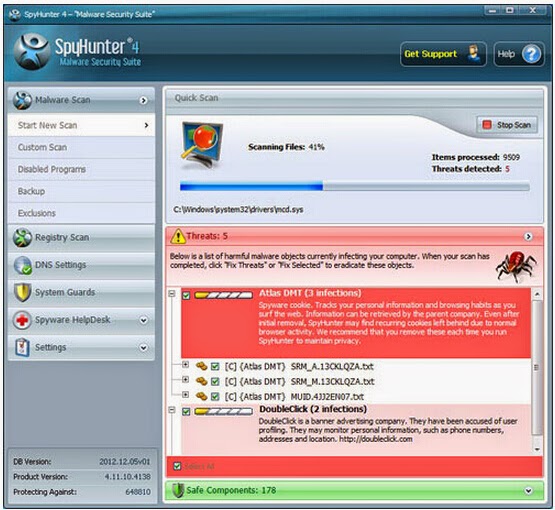
Step 2. Run SpyHunter to scan for this browser hijacker
Click "Start New Scan" button to scan your computer
Step 3. Get rid of all detected items by clicking "Fix Threats" button
Plan C: Clean up 888-750-9925 pop-up Automatically from Your Mac with MacKeeper
MacKeeper has impressive features:
- Cleaning: Effective cleaning utility software for Mac
- Security: Protect your Mac from all sorts of threat; Bring your Mac home in case it gets stolen
- Optimization: Speed up you Mac and maximize its efficiency
- Data Control: Powered toolbox (Data Encryptor, Default Apps, Files Recovery and Backup etc)
- Geek on Demand: Mac Experts At Your Service
Therefore, if you want a program that allows you to have full control on your Mac's security, this is the tool you need. |
Step 1. Download MacKeeper to your Mac.
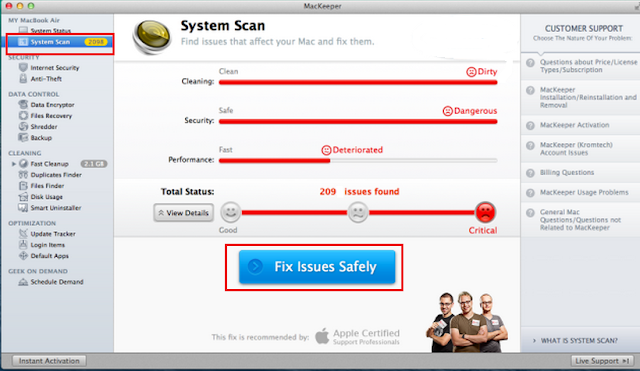
Step 2. After activating this suite, you could enable Internet Security and anti-theft features to deal with the target malware.
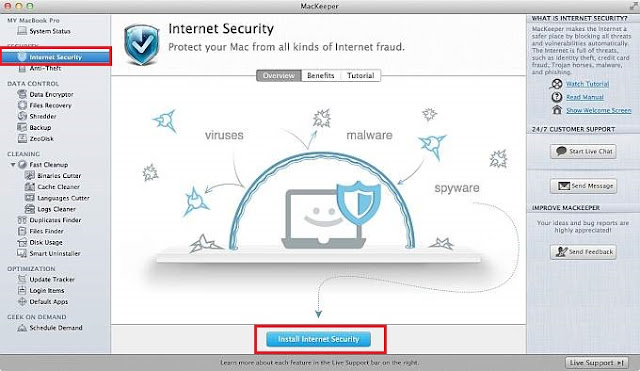
Step 3. Scan your Mac and fix the issue.
Specially Remind:
Anything taking a hand in your browsing and messing up things like 1-888-750-9925 pop-up should be eliminated in a timely fashion. If you are puzzled by the manual removal steps, you could feel free to get assistance with
SpyHunter (For Win OS) or
MacKeeper (For Mac).
(The recommended free scanner is only for malware detection. If it detects the target on your computer, you could think about buying the product and activating the automatic removal function to get rid of the target efficiently!)